

Starting a new product and wondering how to get it manufactured? In this article we cover the path from prototype to finding a product manufacturer, step by step.
A product idea usually starts with a eureka moment and a burst of energy to start building a business. Actually getting there is a long road: studies put the failure rate for new product launches as high as 95%. To improve your odds significantly, here are four questions that are essential to answer before you get into the product manufacturing process.
1. Where do I want my products to be manufactured?
There are several options, and each has its pros and cons, so it pays to work out which country or region suits your requirements best. Broadly speaking there are two camps. Asia is known for low production costs, but it can lack specific capabilities and add to your lead times. Western countries are often, though not always, more expensive. Besides price, lead time and quality, there are a few more variables to weigh before you choose a manufacturing partner:
- MOQ ([minimum order quantity](https://www.shipbob.com/blog/minimum-order-quantity/)): how many products do you need in your first batch? This is an important factor when picking the right manufacturing location.
- Shipping time: the further from home, the longer the shipping time and the higher the cost, in most cases. If you need your product on relatively short notice, producing closer to home is often the wiser choice.
- Brand: some audiences respond better to products or components made in the Western world. Think about this in advance, because it can be a decisive factor for your customers.
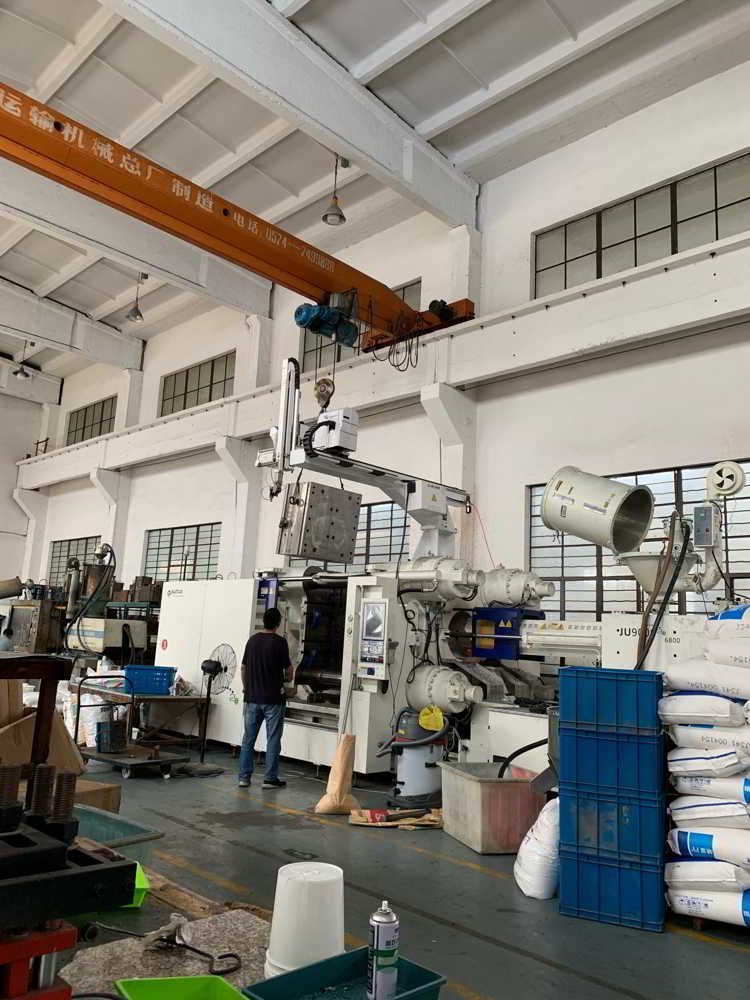
2. What should I arrange before manufacturing starts?
Choosing the right partner is a crucial step in getting your product to market. This manufacturer could be your partner for years, so you want to be sure they are reliable, flexible and trustworthy. A few tips to help you get there:
- Build multiple contacts. Do not depend on one person at the company: if they leave or go on holiday you have a problem. Establish a relationship with several people on the other end. Knowing who to talk to and when saves you time and money.
- Communicate clearly. This is key to a good relationship with your manufacturer. In many countries a translation tool is the go-to way to read your English emails, so words are easily misinterpreted. Avoid complex phrasing, and always ask for confirmation.
Once you have gathered all of this you can make a well-considered decision about a manufacturing partner. Our recommendation is to test the waters with a few of them and communicate back and forth to see whether they can live up to your requirements. Make sure you provide your manufacturer with as much information as possible, so you get a realistic quote in return.
3. How do I turn my prototype into a production run?
Once the first essential steps are done, it is time to turn your prototype into a real product. Product manufacturing can start after you have taken these three steps:
1. Determine pricing and material stock. Start by creating a bill of materials (BOM). This lists the price of every individual part as well as the assembly, and it should also include all additional costs such as import duties, shipping and labour. Mapping those costs before manufacturing starts is essential, because it lets you set a retail price with the right margin.
2. Prepare for some bumps. Of course you are hoping for smooth sailing down the manufacturing road. Realistically, most manufacturing and shipping processes come with obstacles to overcome, and most of those bumps have their roots in poor communication. Which is why we cannot stress enough how important it is to keep communicating clearly with your manufacturer.
3. Run a pilot production run. The pilot run prepares you for the real product launch. In this phase every item or component is manufactured in the same way and at the same rate as during the actual launch. Afterwards the final procedures and assembly instructions are put in place and adjusted where needed. From that moment on you can start producing your first end products.
4. Get your manufactured products in your hands
Once the pilot run is complete, production of your final product starts. That process, plus transport to your location, can take months: a timeframe of 60 to 100 days is fairly common.
Whether your product is heavy or light, big or small, you will need somewhere to store it. Intermodal transport combines several modes to get your batch of products from A to B. Often that means your product arrives by sea, the container is picked up at the dock by train to an inland hub, and a truck covers the last stretch to your storage location.
Getting your products manufactured by Production Heroes
At Production Heroes we care most about sustainable, high-quality products. That is why we manufacture your products diligently and efficiently, whether that is through [blow molding, injection molding](/process) or aluminium extrusion. Communication is key throughout, because we know you want proper guidance during the entire process. And we do more than manufacture: we have professionals on the floor who bring over twenty years of experience in product design and mechanical engineering, and who can help take your innovation to the next level.